


Meditation Books
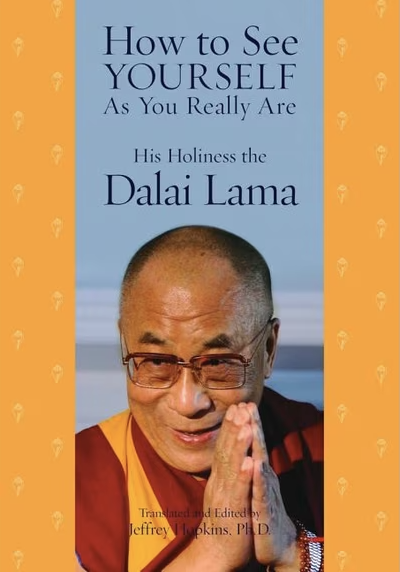
How to See Yourself as You Really Are - Dalai Lama and Jeffrey Hopkins
One-line summary: By recognizing how mistaken perceptions create suffering, we can develop a more realistic sense of self and cultivate wisdom and compassion.
Drawing on Tibetan Buddhist philosophy, the Dalai Lama explains that people often mistake the self and the world as fixed, independent realities. Through reflection, meditation, and insight into interdependence and emptiness, readers can loosen rigid identities and reduce destructive emotions such as anger and attachment. Jeffrey Hopkins helps present these teachings as practical methods for clearer self-understanding and a more compassionate life.
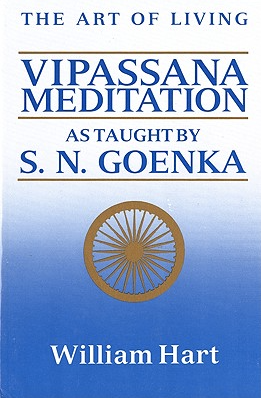
The Art of Living: Vipassana Meditation as Taught by S. N. Goenka - William Hart
One-line summary: Vipassana meditation develops freedom from suffering through ethical living, disciplined awareness, and direct observation of change.
William Hart presents S. N. Goenka's approach to Vipassana, a meditation practice centered on observing bodily sensations with calm, nonreactive awareness. By experiencing impermanence directly, practitioners learn to weaken habitual craving and aversion rather than merely suppressing them. The book connects meditation with morality, concentration, and wisdom, portraying liberation as the gradual purification of the mind.
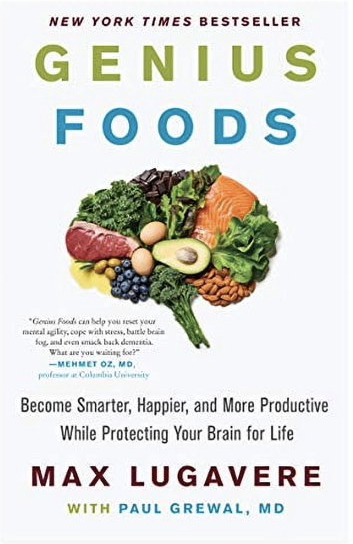
Genius Foods - Max Lugavere and Paul Grewal
One-line summary: Food and lifestyle choices may support long-term brain health, mental performance, and protection against cognitive decline.
The authors connect nutrition, exercise, sleep, stress, and metabolic health with the functioning and aging of the brain. They recommend emphasizing minimally processed foods, healthy fats, nutrient-dense plants, and adequate protein while limiting refined carbohydrates and heavily processed products. Although some specific claims and dietary prescriptions should be weighed against evolving nutritional evidence, the book's central message is to treat brain health as closely linked to whole-body health.
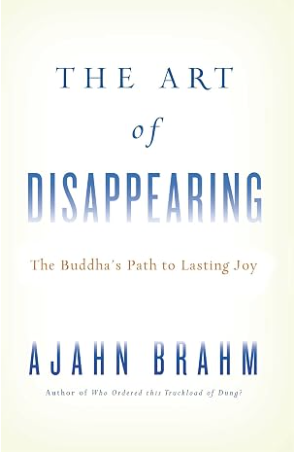
The Art of Disappearing - Ajahn Brahm
One-line summary: Peace becomes possible when we stop carrying resentment, regret, and attachment into the present.
Through Buddhist teachings, humor, and accessible stories, Ajahn Brahm encourages readers to release emotional burdens rather than allowing the past to govern the present. Letting go does not mean denying painful experiences; it means ending the struggle to control what has already happened or cannot be controlled. Acceptance, kindness, forgiveness, and meditation create space for greater freedom and contentment.
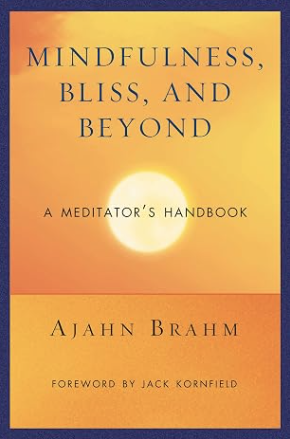
Mindfulness, Bliss, and Beyond: A Meditator’s Handbook
One-line summary: Happiness deepens when we stop fighting experience and release the demand that life conform to our preferences.
Ajahn Brahm teaches letting go as a central Buddhist practice grounded in wisdom and compassion. Rather than forcing the mind into peace, practitioners learn to soften control, welcome experience, and treat themselves kindly. Through meditation, stories, and humor, he shows how releasing anger, guilt, fear, and attachment can make space for stillness, forgiveness, and a less burdened life.
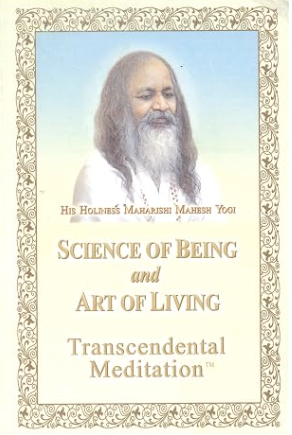
Science of Being and Art of Living - Transcendental Meditation Method
One-line summary: Transcendental Meditation is presented as a simple mantra-based practice intended to produce deep rest and quieter awareness.
The book introduces the Transcendental Meditation method as taught within the Maharishi Mahesh Yogi tradition. It describes using a mantra in an effortless, non-concentrative way so that mental activity can settle and awareness can become increasingly quiet. The text also discusses claimed benefits for stress, health, creativity, and personal development, generally presenting formal instruction by a trained TM teacher as important to learning the method.
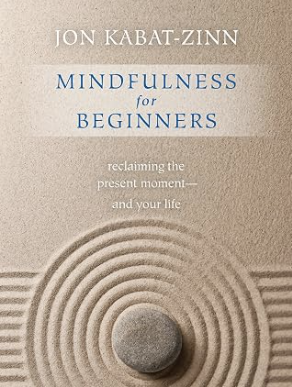
Mindfulness for Beginners - Jon Kabat-Zinn
One-line summary: Mindfulness means meeting present experience deliberately, openly, and without reflexive judgment.
Kabat-Zinn offers an accessible introduction to mindfulness as both a meditation practice and a way of living. He teaches readers to notice breathing, bodily sensations, thoughts, and emotions without immediately trying to fix, avoid, or judge them. Regular practice can help interrupt automatic reactions and cultivate patience, clarity, compassion, and a fuller engagement with everyday life.
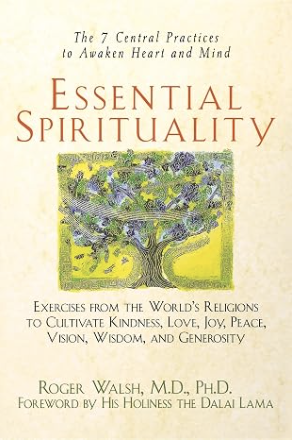
Essential Spirituality: The 7 Central Practices to Awaken Heart and Mind - Roger Walsh
One-line summary: The world's spiritual traditions share practical disciplines that can cultivate wisdom, love, ethical action, and inner freedom.
Walsh identifies seven broad practices found across major religious and contemplative traditions: transforming motivation, cultivating emotional wisdom, living ethically, concentrating and calming the mind, awakening spiritual vision, developing wisdom, and serving others. He presents these not as abstract doctrines but as abilities that can be exercised in ordinary life. The book advocates an inclusive spirituality that draws from multiple traditions while emphasizing sustained practice and personal transformation.
Coming to Our Senses - Jon Kabat-Zinn
One-line summary: Mindfulness can help heal both personal suffering and the collective habits that damage society and the natural world.
Kabat-Zinn expands mindfulness beyond individual stress reduction into a response to social fragmentation, violence, consumerism, and environmental harm. He argues that many crises arise from collective inattention and automatic behavior. By inhabiting the body, senses, and present moment more fully, individuals may act with greater clarity, responsibility, compassion, and awareness of their interdependence with others.
The Mindful Way Through Depression - Mark Williams, John Teasdale, Zindel Segal, and Jon Kabat-Zinn
One-line summary: Mindfulness can help prevent recurring depression by changing one's relationship to negative thoughts and moods.
The authors explain that low mood can reactivate patterns of rumination, self-criticism, and avoidance that deepen or prolong depression. Their mindfulness-based cognitive therapy approach teaches people to recognize thoughts and feelings as temporary mental events rather than facts that require analysis or obedience. Through practices such as body scans, breathing meditation, and mindful movement, readers develop earlier awareness of relapse patterns; those experiencing severe symptoms should use the book alongside qualified care rather than as a substitute for it.
Take Your Time: Finding Balance in a Hurried World - Eknath Easwaran
One-line summary: A less hurried life can be cultivated by slowing the mind, simplifying priorities, and giving complete attention to what matters.
Easwaran views chronic hurry not merely as a scheduling problem but as a mental habit that fragments attention and diminishes relationships. Drawing on contemplative practice, he recommends slowing down, focusing on one thing at a time, and organizing life around enduring values rather than constant stimulation. The result is intended to be not lower productivity, but greater steadiness, depth, and freedom from compulsive urgency.
Investigating the Mind - Lee Young-Don
One-line summary: The book examines how meditation and close observation of consciousness can reveal the mind's habits and potential for transformation.
Lee Young-Don approaches the mind as something to be investigated through both informed inquiry and personal experience. The book explores meditation, attention, emotion, and the relationship between mental habits and well-being, considering how contemplative practice may alter one's understanding of consciousness. Its central invitation is to test ideas about the mind directly through disciplined observation rather than accepting them solely as theories or beliefs.

Self Help Books
The Power of Now - Eckhart Tolle
One-line summary: Freedom from psychological suffering begins by disidentifying from compulsive thought and becoming present.
Tolle argues that much suffering is created by the mind's fixation on past events, future possibilities, and a conceptual identity he calls the ego. He invites readers to observe thought rather than treating every thought as the self or as unquestionable truth. Attention to the present moment, the body, and inner stillness can create a sense of spacious awareness in which fear and resistance lose some of their power.
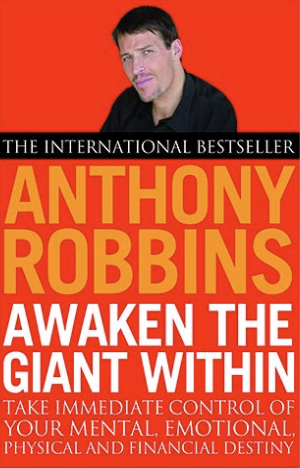
Awaken the Giant Within - Anthony Robbins
One-line summary: Lasting personal change comes from deliberately managing decisions, beliefs, emotions, habits, and standards.
Robbins presents a broad system for taking control of one's mental, emotional, physical, financial, and relational life. He emphasizes that decisions shape destiny, while beliefs and associations of pain and pleasure strongly influence behavior. Through goal setting, reframing, better questions, emotional conditioning, and consistent action, readers are encouraged to raise their standards and redesign habitual patterns.
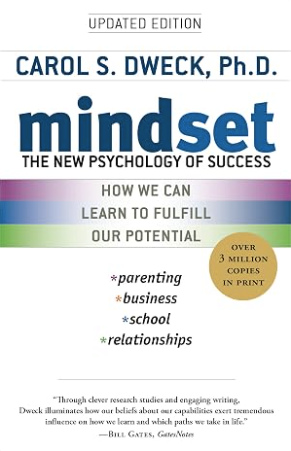
Mindset: The New Psychology of Success - Carol S. Dweck
One-line summary: Abilities can be developed through learning, strategy, feedback, and effort rather than treated as fixed traits.
Dweck contrasts a fixed mindset, which sees intelligence and talent as largely static, with a growth mindset, which sees them as developable. Fixed beliefs can make failure feel like a verdict on identity, while growth-oriented beliefs turn difficulty into information for improvement. Across education, work, sports, and relationships, the book encourages valuing learning and effective effort while avoiding the oversimplification that effort alone guarantees success.
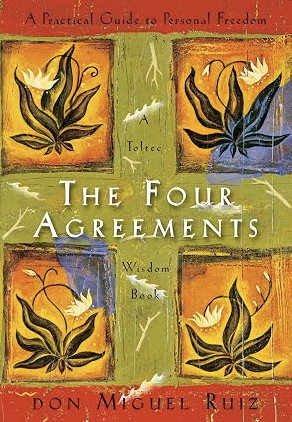
The Four Agreements - Don Miguel Ruiz
One-line summary: Personal freedom grows from speaking with integrity, questioning assumptions, and refusing to internalize others' behavior.
Ruiz organizes his guidance around four commitments: be impeccable with your word, do not take anything personally, do not make assumptions, and always do your best. He argues that people inherit limiting beliefs and social expectations that become an unconscious "domestication." Practicing the agreements can reduce unnecessary conflict, self-judgment, and emotional suffering while encouraging responsibility for one's own words and interpretations.
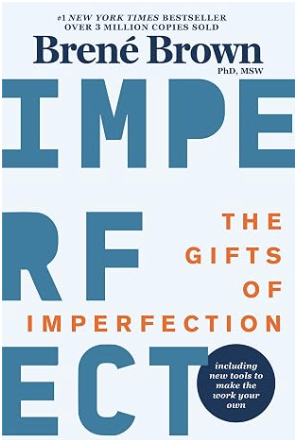
The Gifts of Imperfection - Brene Brown
One-line summary: A wholehearted life depends on accepting imperfection and practicing courage, compassion, authenticity, and connection.
Brown argues that shame and the demand to appear perfect prevent people from feeling worthy of love and belonging. Drawing on her research, she describes authenticity, self-compassion, gratitude, play, creativity, and meaningful work as practices rather than personality traits. The book encourages readers to release concern with appearing flawless and instead embrace vulnerability and the belief that they are worthy now.
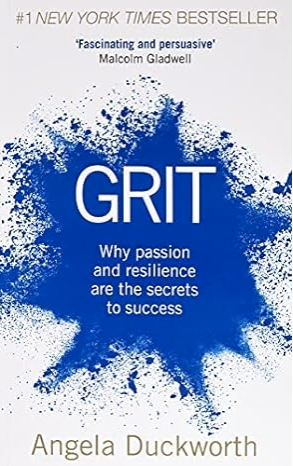
Grit - Angela Duckworth
One-line summary: Exceptional achievement often depends less on initial talent than on sustained passion and perseverance toward long-term goals.
Duckworth defines grit as the combination of enduring interest and persistent effort. She argues that talent matters but does not automatically translate into skill or accomplishment without practice and follow-through. Grit can be developed through interest, deliberate practice, purpose, hope, and supportive cultures, although the book does not suggest persistence should replace judgment about when to revise or abandon a goal.
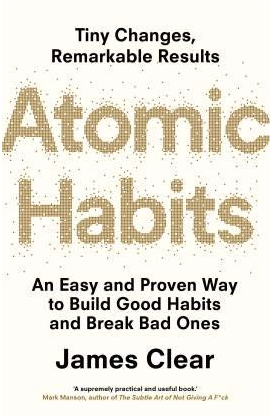
Atomic Habits - James Clear
One-line summary: Small, repeated behaviors compound into remarkable results when supported by identity and effective systems.
Clear explains habits through a four-stage cycle of cue, craving, response, and reward. To build useful habits, he recommends making them obvious, attractive, easy, and satisfying; unwanted habits can be weakened by reversing those conditions. The book emphasizes shaping one's environment, reducing friction, tracking behavior, and adopting an identity consistent with the desired actions rather than relying only on ambitious goals or motivation.
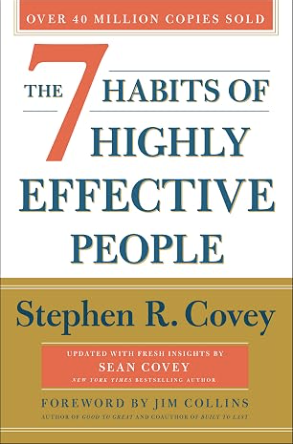
The 7 Habits of Highly Effective People - Stephen R. Covey
One-line summary: Sustainable effectiveness grows from principled character, personal responsibility, mutual benefit, and continual renewal.
Covey presents seven habits that move from personal independence to constructive interdependence: be proactive; begin with the end in mind; put first things first; think win-win; seek first to understand, then to be understood; synergize; and sharpen the saw. Rather than offering isolated productivity tricks, he emphasizes aligning behavior with principles and long-term purpose. The framework combines self-leadership, prioritization, empathetic communication, cooperation, and regular physical, mental, social, and spiritual renewal.
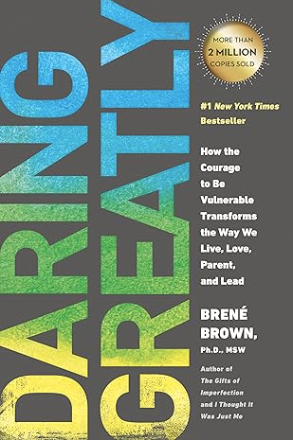
Daring Greatly - Brene Brown
One-line summary: Vulnerability is not weakness but the emotional risk required for courage, creativity, trust, and meaningful connection.
Brown examines how shame and fear of inadequacy lead people to protect themselves through perfectionism, withdrawal, control, or emotional numbness. She argues that a fuller life requires entering uncertainty without guarantees of approval or success. By developing shame resilience and showing up authentically, people can create more trusting relationships, courageous leadership, engaged parenting, and innovative workplaces.
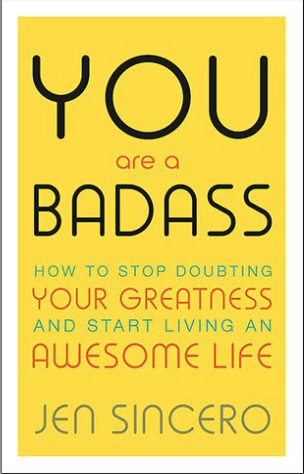
You Are a Badass - Jen Sincero
One-line summary: Change begins when you challenge limiting beliefs, take responsibility for your choices, and act with confidence toward the life you want.
Sincero combines motivational coaching, personal anecdotes, humor, and spiritual ideas to encourage greater self-belief and decisive action. She asks readers to examine unconscious stories about money, success, relationships, and worth, then replace self-defeating habits with clearer intentions and practical steps. Its central appeal is energetic encouragement to stop postponing change, although some claims rely more on personal philosophy than empirical evidence.
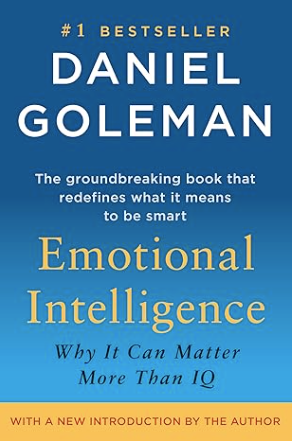
Emotional Intelligence - Daniel Goleman
One-line summary: Success and well-being depend partly on recognizing, regulating, and intelligently responding to emotions in ourselves and others.
Goleman popularizes emotional intelligence as a collection of capacities involving self-awareness, self-regulation, motivation, empathy, and social skill. He argues that conventional measures of cognitive intelligence do not fully explain how people manage relationships, stress, impulse, and adversity. By combining psychology and neuroscience with practical examples, the book suggests that emotional abilities can be strengthened and can profoundly influence work, family life, and mental well-being.
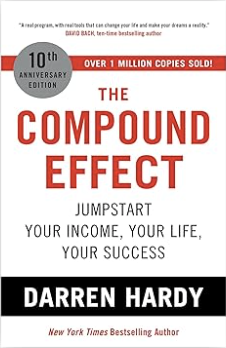
The Compound Effect - Darren Hardy
One-line summary: Seemingly insignificant choices produce major outcomes when repeated consistently over time.
Hardy argues that success usually results not from a dramatic breakthrough but from the accumulation of everyday decisions. Because the early effects of a habit may be almost invisible, people often quit before consistency begins to produce meaningful gains. Tracking behavior, accepting responsibility, building routines, managing environmental influences, and sustaining momentum are presented as the foundations of long-term improvement.
Can't Hurt Me - David Goggins
One-line summary: Radical accountability and deliberate exposure to difficulty can expand perceived limits and build mental resilience.
Goggins recounts overcoming childhood trauma, obesity, and self-defeating patterns to pursue demanding military and endurance challenges. He advocates honest self-examination, disciplined action, and the intentional use of discomfort to strengthen the mind. The book's message is that people often operate far below their capacity, though its extreme training methods should be adapted sensibly rather than imitated without regard for health or individual circumstances.